


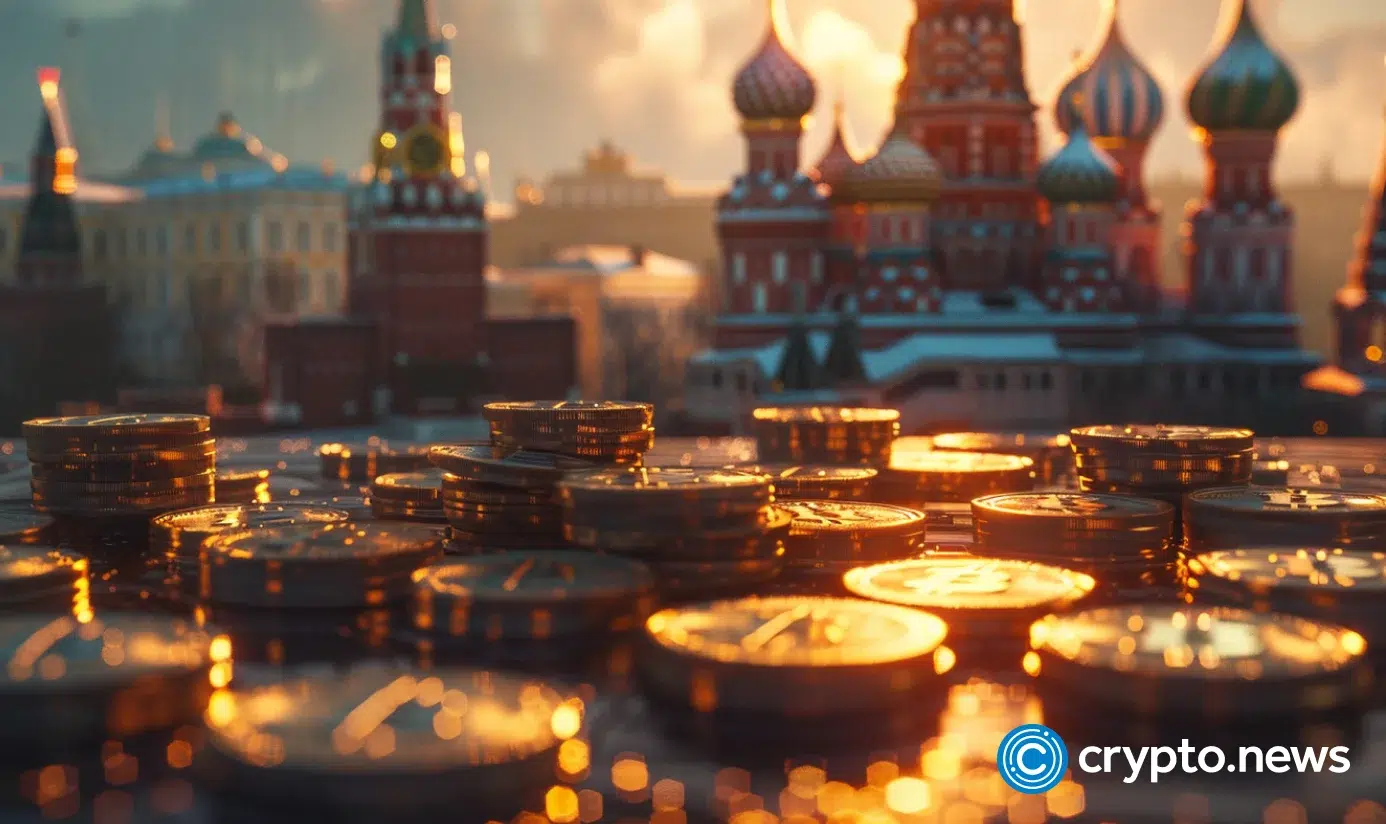
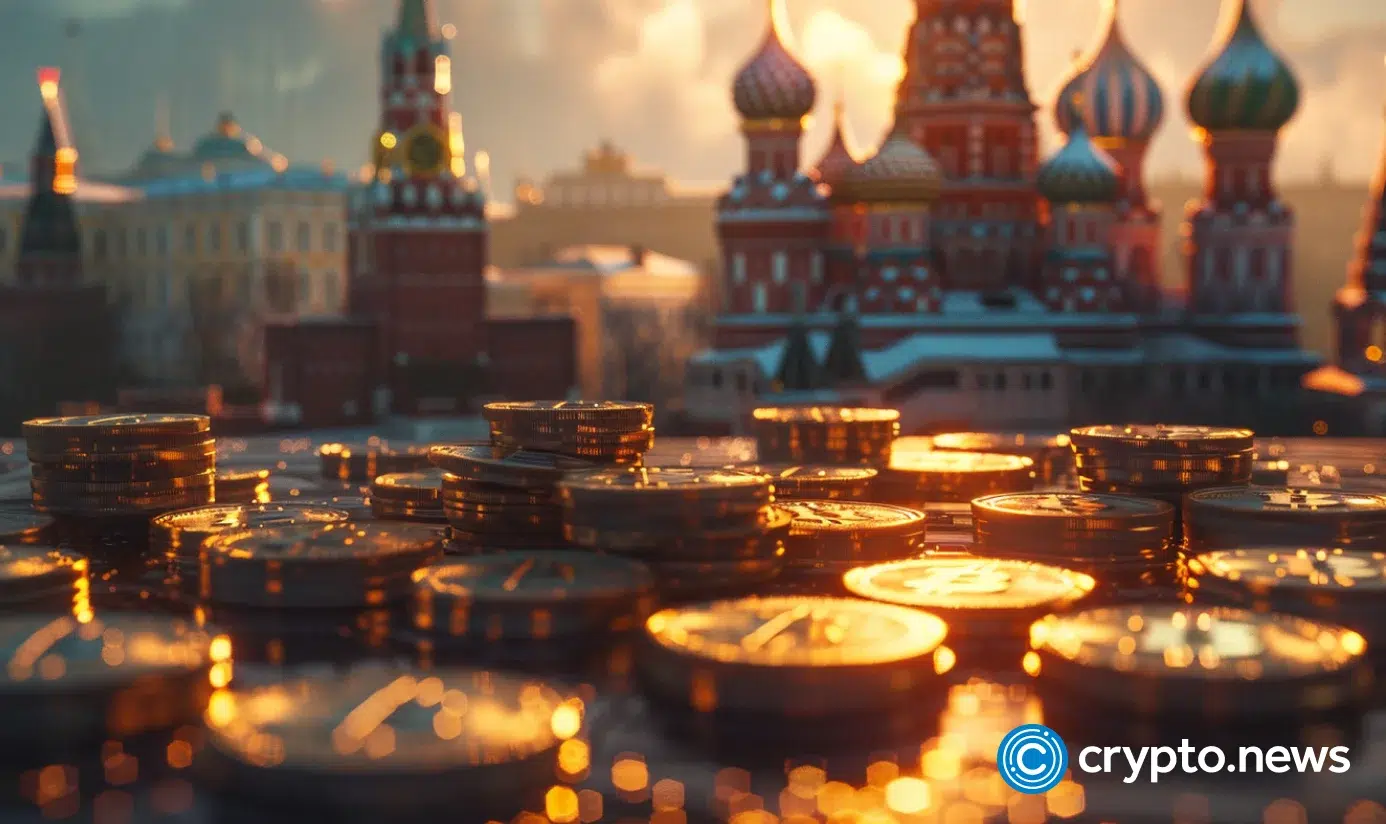
Russia’s Moscow Exchange (MOEX) has outlined plans to introduce Bitcoin, Ethereum and Tether (USDT) trading on December 1, although transactions involving the dollar-pegged stablecoin face a 22% value-added tax (VAT) during the first month of operations.
Summary
- Moscow Exchange plans to launch Bitcoin, Ethereum and USDT trading on December 1.
- USDT transactions face a 22% VAT in December under Russia’s existing tax legislation.
- Non-qualified investors face a 300,000-ruble annual crypto limit per intermediary.
- Corporate profit tax in Russia remains at 25% and applies separately to taxable gains.
- Bitcoin and Ethereum sales remain outside VAT under Russia’s digital currency rules.
According to the exchange’s cryptocurrency trading guidelines, the three digital assets will be available during the initial phase of the rollout, with financial intermediaries expected to provide customers with access as their trading systems become ready.
The National Clearing Center (NCC), which handles clearing and settlement for Moscow Exchange, intends to apply VAT to USDT purchase, sale and swap transactions between December 1 and December 31, 2026.
Bitcoin and Ethereum transactions will receive different tax treatment under existing Russian legislation because both cryptocurrencies fall within the country’s legal definition of digital currencies.
Moscow Exchange prepares to launch Bitcoin, Ethereum and USDT trading
Preparations for the introduction of cryptocurrency trading have been underway since Russia’s new digital asset legislation took effect on September 1.
As crypto.news previously reported on November 1, Moscow Exchange intends to use its existing stock market infrastructure for cryptocurrency transactions, with several professional financial market participants already testing the system ahead of its launch.
Customers will place orders through brokerage accounts, while registered digital depositories will handle the custody of cryptocurrencies.
Trading is scheduled to follow the exchange’s extended stock market operating hours, beginning at 6:50 a.m. and ending at 11:50 p.m. Moscow time.
According to the National Clearing Center’s market documentation, the platform will support cryptocurrency transactions involving same-day and next-day settlement. Participants will have access to swap transactions, which can be used to manage liquidity.
The clearinghouse has published trading instrument specifications covering Bitcoin, Ether and USDT on the Ethereum network, alongside the corresponding trading and settlement arrangements.
USDT transactions face a 22% VAT under Russian tax rules
The difference in how Moscow Exchange intends to treat the three cryptocurrencies stems from their classification under Russian legislation.
While Bitcoin and Ethereum operate without a central issuer, USDT is issued by Tether and falls under a separate legal category known as “foreign digital instruments.”
Article 146 of Russia’s Tax Code excludes the sale of digital currencies from VAT. However, the existing provisions do not explicitly establish an equivalent exemption for foreign digital instruments.
The National Clearing Center has sought clarification from Russia’s Federal Tax Service and Ministry of Finance regarding the taxation of transactions involving such assets.
Until the authorities provide further guidance or lawmakers introduce the necessary exemptions, the clearinghouse’s December tax arrangements provide for VAT to be charged on top of the transaction amount.
Russia’s Federal Tax Service raised the country’s standard VAT rate from 20% to 22% at the beginning of 2026.
At that rate, a USDT transaction worth 50,000 rubles before tax would incur an additional 11,000 rubles in VAT, excluding any brokerage or exchange fees.
Corporate investors may face separate tax obligations on profits generated through cryptocurrency transactions. Russia’s standard corporate profit tax stands at 25%, although it applies to taxable profits and not the entire transaction value.
Proposed amendments intended to address the VAT treatment of foreign digital instruments have passed their first reading. The clearinghouse has indicated that market participants will receive further information if lawmakers introduce an exemption covering transactions completed before January 1, 2027, or if tax authorities issue relevant guidance.
Russian retail investors face annual crypto purchase limits
The Bank of Russia’s November 6 announcement established the initial list of cryptocurrencies that non-qualified investors can purchase through regulated financial intermediaries.
Under the rules that took effect on November 17, individuals without qualified investor status can purchase up to 300,000 rubles’ worth of approved cryptocurrencies per calendar year through each intermediary.
The limit applies to the combined value of cryptocurrency purchases made through an individual intermediary and not separately to Bitcoin, Ethereum and USDT.
Qualified investors do not face an equivalent annual purchase restriction. However, both categories of investors must complete an appropriate knowledge assessment and familiarize themselves with the risks associated with cryptocurrency investments.
The central bank selected eligible assets based on their market capitalization, average daily trading volumes and price history on foreign exchanges covering at least five years.
Russian financial institutions prepare for regulated crypto trading
Russia had registered 30 cryptocurrency exchange operators by November 18, with major domestic lenders Sberbank and VTB among the authorized institutions.
Exchanges have been permitted to introduce organized cryptocurrency trading since November 22, subject to regulatory approval of their trading rules.
The Bank of Russia requires trading venues to maintain records of submitted orders and completed transactions, monitor trading activity and calculate market price indicators.
Exchanges must submit information about cryptocurrency trading activity and transaction results to the regulator using the reporting procedures already established for other financial instruments.
